“If you do care about retaining your autonomy though, you do so because you want to change the world with your music. You want to change a listener’s perspective through the beauty, or the shock, or the depth, of your expression, and give that listener a window into something more than what they already knew and felt. That ineffable something will bring your listener, in turns, joy, understanding, solace, even ecstasy.”
– Brad Melhdau, Watching Rome Burn Substack
Artificial intelligence seems to establish a larger presence in our lives every day. It’s constantly in the news, with stories chronicling the horrible impacts behemoth data centers have on the environment and the fights communities are taking against big tech to thwart the building of them in their neighborhoods. Despite this, people are embracing AI to get advice on everything from landscaping to sports gambling to meal prepping to personal relationships. In fact, a survey by the Center for Democracy and Technology found that 42% use AI for companionship or mental health support, while nearly 20% of teens have had or know a peer who has had a romance with AI.
The younger generation uses AI for much more than interpersonal communication. Much to the dismay of teachers everywhere, students frequently try to submit AI-written work as their own, perhaps at the cost of developing their ability to analyze, reason and communicate effectively. (In fact, I recently had someone who wanted to write for Rootfire submit his first article to me which clearly had been written by AI…nope!)
While many tout the value AI brings to industry by automating work that can be done in a fraction of time it would take humans to do it (especially coding), others warn of the economic and psychological displacement of untold numbers of workers who may lose their jobs because of it, creating a “permanent underclass.”
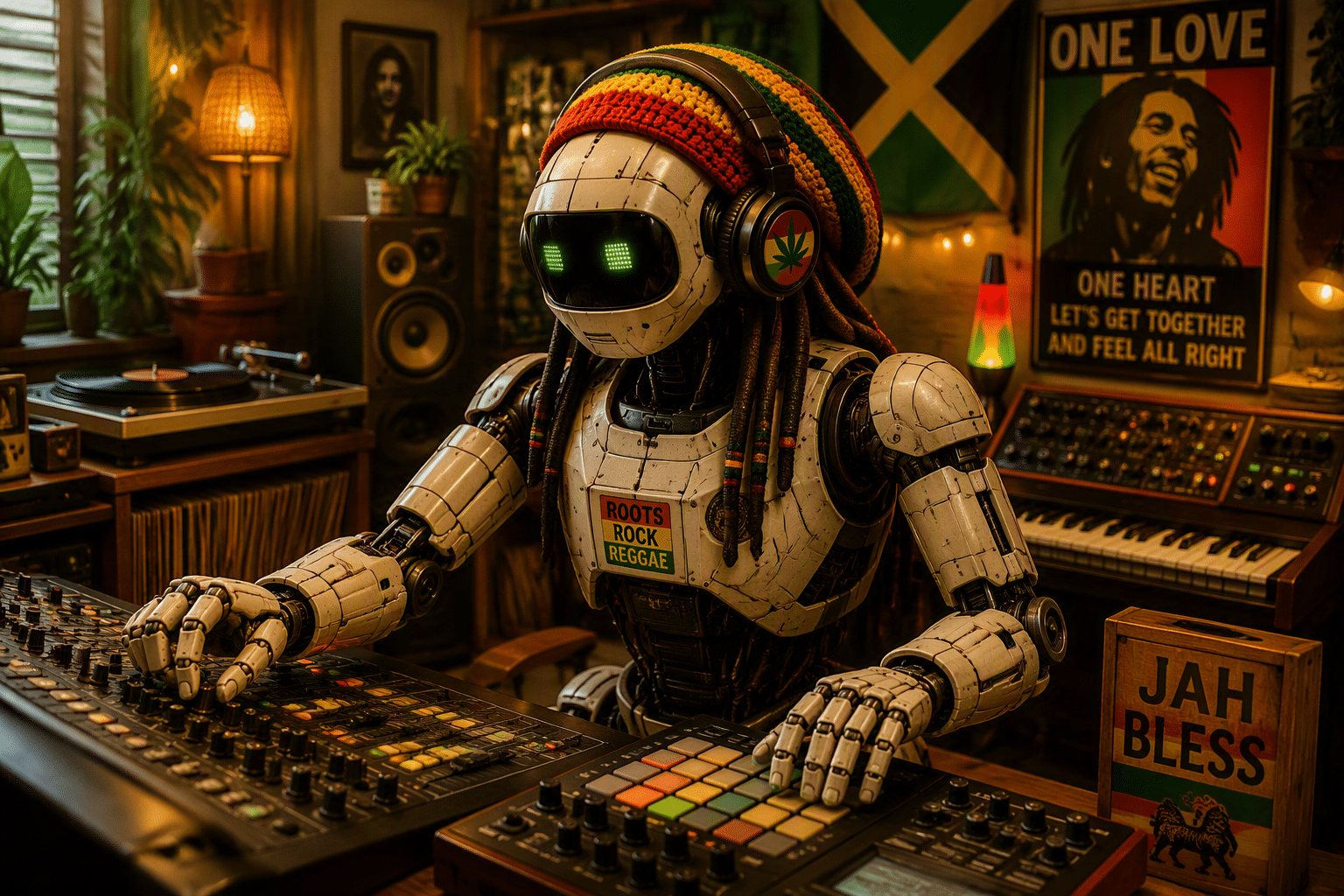
AI-generated photo
Another hotly contested aspect of AI is its role in creating art and music. As someone who listens to reggae every day, usually via Spotify, I have become keenly aware of the rapid proliferation of AI-generated music within the genre. My typical session (often hours at a time while working) begins with my selection of a particular album or playlist that I want to listen to. Upon completion, I will usually choose another to listen to, but sometimes I just let Spotify algorithms take over and select songs to keep the stream flowing. In the past, this was a great way to discover new music.
Just months ago, an occasional AI track would mix in with the rest of the music. Usually, I’d find the track alluring and look to see who was performing. When I saw that the artist had no bio and/or all of their music, sometimes multiple albums worth of material, was released in the past year, I naturally assumed it was AI.
Fast forwarding to the current day, I’ve already detected a significant increase in the percentage of AI-created music; I estimate maybe three to four out of every ten tracks, maybe more. At this point, I can usually detect an AI-created reggae song just by its sonic qualities; so much of the music – at least what my algos are feeding me – sounds quite similar. For all I know, maybe it’s all coming from the same source.

E.N Young
Here’s the rub –unlike the AI-slop that clutters our social media feeds, most of the AI-created reggae is quite good. This is not a surprise, according to producer E.N Young, who founded and operates Imperial Sound Recording Studio in Imperial Beach, CA. “When you prompt AI, you can create amazing music in seconds with little to no effort. I could prompt like 50 songs in just a few minutes, easily,” he told me, adding that he had researched the subject a lot. “Literally anyone can, and it will be good because it’s taking from the best of the best from all humans. It will absolutely be better than real humans soon if not already.”
Despite this, Young has a surprisingly optimistic view of this technology: “But I do not fear…I think that AI is the future for us humans and will change us moving forward. I think we just got to keep supporting each other as humans, to be honest.”
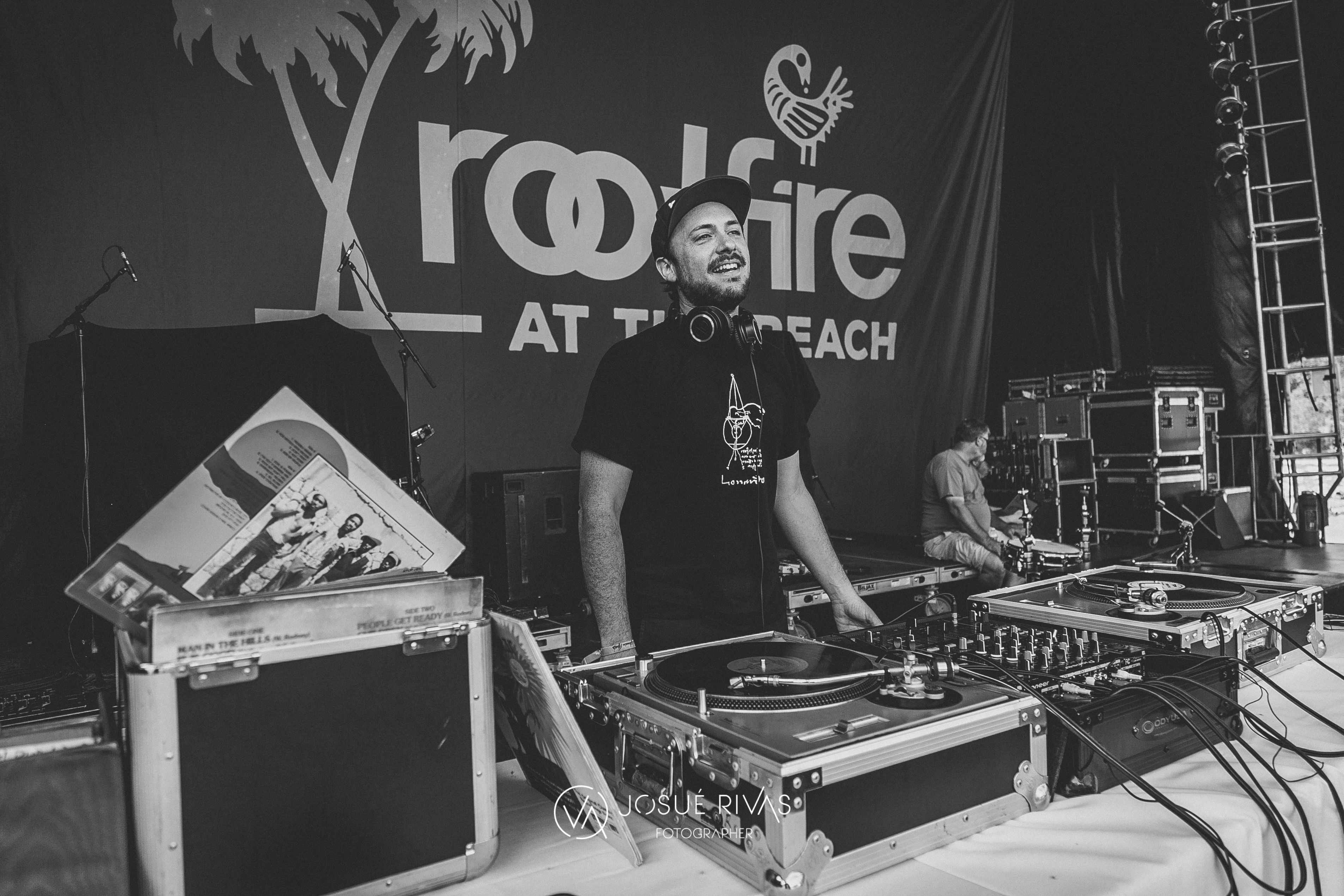
Devin Morrison
Another California-based reggae artist (and former Rootfire editor), Devin Morrison, who co-founded throwback reggae band, The Expanders, and currently also plays with Long Beach Dub Allstars and releases music as Man Like Devin & The Relatives, longs for unintended consequences of AI’s role in the creation of music: “Although I really despise AI-generated art of all kinds, my hope is that as it becomes more and prevalent and permeates more of the musical landscape, it will trigger a reaction in favor of more organic musical mediums like vinyl and live performance…kind of like how, back in the day, when MySpace became so overrun with spam that people abandoned it, I like to think that AI-generated music will eventually lead to people moving away from streaming services and craving more traditional mediums.”
Given Rootfire’s mission to amplify the work of reggae artists, I was curious what people throughout the international reggae community thought about this topic, so I invited an array of industry personnel to weigh in on a set of about a dozen questions. Below are their responses.
On a scale of 1:10 (10 being the house is burning to the ground, 1 being you don’t even smell smoke), how concerned are you about AI in music?
Michael Goldwasser, Co-Founder & President, Easy Star Records/Producer – Easy Star All Stars (USA): 8.
Marco Martinez aka Mellodose, Producer, Recording Artist (USA): 1. I would say worried/concerned aren’t the emotions I have been experiencing around it. I see all things as a part of the whole, & AI in music is a natural progression for the world. I don’t think it will replace human music. I think future music listeners will now just have more options, much in the same way the democratization of distribution platforms for independent artists increased listener options. A few years ago, humans were making and releasing 60,000 new songs a day to DSPs. That number is now north of 100,000 new songs per day from humans alone. I believe this increase in new music creation will only drive the importance of connection & community for independent artists.
Satsang, Recording Artist (USA): 7.
Jim the Boss, Producer, Engineer, Recording Artist, Rootfire Contributor (USA): I started my career on the tail end of when house engineers and big studios were on their way out. I survived. Industries have done a crack job at trying to replace musicians, engineers and anyone creative, but if you love something so much and want it bad enough, you’ll find your way. I don’t care if people have a bit of fun, but when they start asking “how do I make money,” then I have to say something. It’s just talentless hacks pretending they created something because they don’t want to put in the work to be a better version of themselves. You wouldn’t go to the grocery store, buy a birthday cake and then give it to your mother and say “Happy Birthday, I made this for you,” would you?
Ben Teters, Producer, Drummer – SunDub (USA): I would say 5.
Ocman Dread, Producer, Musician – Pinnacle Sound (France): I think I am at 5. Bad point is people don’t know if it’s human music or AI music when they are listening. They are being deceived. At the other side, AI is a new technology, like others before (electric instruments, electronic music, etc) – that is the world we living in. Someone who masters AI to the point of producing a good track isn’t an artist too?
Johnny Cosmic, Producer, Recording Artist. Guitarist – Stick Figure (USA): 5.
Vic Ruggiero, Singer, Songwriter, Multi-instrumentalist – The Slackers & Reggae Workers of the World (USA): I read recently that one third of new music people are getting streamed at them is AI. These guys can’t wait to have musicians they don’t have to pay ever. And bonus is it uses lots of water ‘cuz they built the stuff out in the desert!! So…I suppose it’s 7 and above until people boycott it and the water runs out.
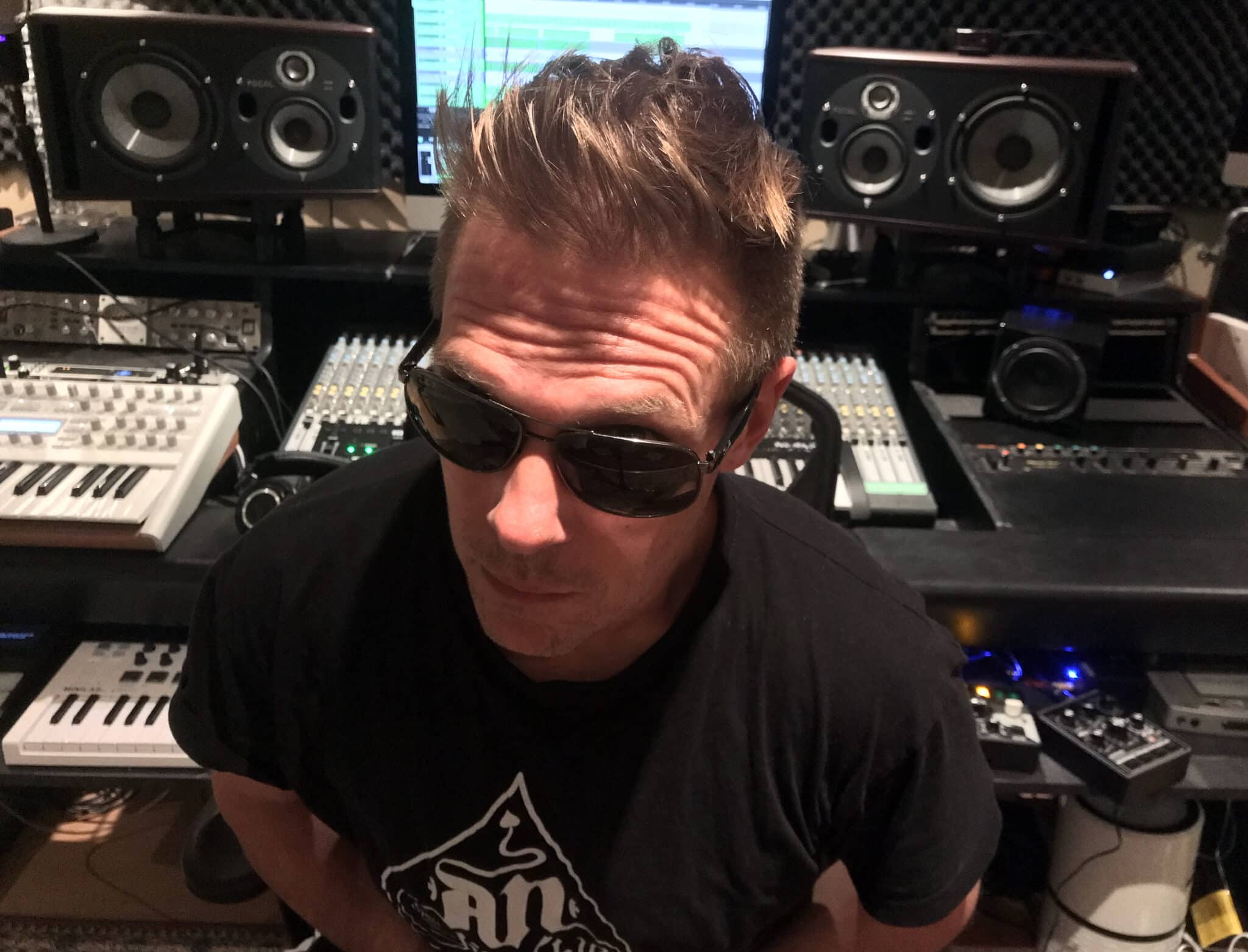
Dubmatix
Jesse King aka Dubmatix, Producer, Recording Artist (Canada): I’ve spent some time pondering the potential for AI and harm. Before I could make an informed opinion, I spent some time with SUNO using the Pro account, which allows you to render stems. What I found was that while it can do a very impressive job, there are also artefacts that remain — especially in vocals, horns, etc. That’s one aspect; the sound does not sound human, even if it can sound like any other commercial release. Take dub, for example — AI can’t create a real dub song. It won’t understand the nuances of how to drop in and out, or how to add reverb on a snare hit in certain areas.
My fundamental reason for not being overly concerned at this point is that the human brain and ear have an innate sense of being human, and will subconsciously know when something is not quite right, even if it can’t immediately identify what is wrong. Much like looking at a painting in a gallery — you can feel it, see the brush strokes and the imperfections. The same applies to music. Even if I listen to a reggae song that’s been completely quantized and created on a computer, it’s still going to have touches of human interaction in the way it’s mixed — which is imperfect. Those are just a couple of examples.
David Fowler, Former Founder & Member of Echo Movement, Producer, Recording Artist – Davis Mae, Father of the Vib (USA): Music is a human exclusive. Even hearing is quite strictly an animal experience. The tree falling in the forest does not make a sound, it makes acoustic pressure. An animal needs to be present, with receptors and a brain to process that pressure into the perception of sound.
If we never told AI about music, it would be unlikely to realize it exists. Similarly, if humans hadn’t invented music, it would be unlikely for AI to spontaneously invent it. There’s simply no rational reason for music to exist, nor would AI have any guide on how the qualities of music (harmonics, tempo, etc.) would interface with the human emotional palette. Music evolved with the sapiens, from the caves to the villages to the cities…300,000 years or more. It is not something we need to outsource, we’re playing for keeps.
With that, AI is not creating music. It is creating sounds that mimic music. However convincing, it is only reflecting human behavior, not creating it, any more than the man in the mirror is shaving himself.
And, so, back to our tree in the forest. As The Lorax said, “A tree falls the way it leans. Be careful which way you lean.”
AI in the music industry = 5 (depends on the type of use). AI mimicking music = 10
Victor Rice, Composer, Producer, Engineer, Recording Artist (Brazil): I’m a “change is good” kind of person because I have no capital. But artistically, AI is having a homogenizing effect even more severe than monoliths like iHeart Music. That said, I’m still optimistic about the aftermath. We should specify between AI making music and musicians using AI to offload creativity. In the latter case, the primary listening base is the person that made it. More of a single-player gaming experience that Sam Altman is pushing so enthusiastically. So I’ll say 10, burning to the ground – because I’m interested in what rises from the ashes, like a pine forest.
A lot of my thoughts are way better-articulated by a couple of musicians I follow on YouTube, monster players and super-intelligent:
Adam Neely https://www.youtube.com/@AdamNeely
Benn Jordan https://www.youtube.com/@BennJordan
Reid Foster, GM, Rootfire/Artist Manager, Ineffable Records (USA): 5
Bobby Hustle, Recording Artist (USA): 9
Jay Nugent aka “Agent -Jay,” Guitarist, The Slackers/Producer, Composer, Multi-instrumentalist – Crazy Baldhead (USA): Not sure what number to put on it, but very concerned. It’s inevitable, unfortunately. It’s profitable for the owner class and convenient for the undiscerning masses.
Mathias Liengme, Co-founder and Producer, Fruits Records (Switzerland): 8-9, for two main reasons: 1) A lot of people don’t pay a lot of attention to what they listen to, so they get used to AI music without even noticing 2) A huge part of the income generated by streaming is now going to robot or to people prompting AI, but not to musicians, producers and labels.
Ian Gastl, Producer, The Autos (USA): I’m personally at a 7. For how young the technology is, there’s no question that AI already has a grip on the music industry and without intervention, will grow exponentially. In just a few years, these systems have learned how to replicate breathiness and tonal imperfections, often training from artists’ content without consent or compensation. As for the listener, the indicators to help us differentiate real vs. AI is almost indecipherable, so you may be supporting AI without even knowing it or wanting to.
That being said, I think human made music will not only survive AI, but will become more valuable precisely because it becomes rarer. I see it taking a similar path to vinyl: yes it will have its ebbs and flows in popularity, but because of its cultural and sonic value, it will never cease to exist.
Lem Oppenheimer, Co-Founder & COO, Easy Star Records (USA): 7
Eric Smith, Co-Founder, & CEO, Easy Star Records (USA): As a challenge to the current music business, I would say an 8. But I don’t think any of us can say where this will end up long-term; years from now we may look at AI as a wonderful tool that helps artists tap into new ways to use their talent and creativity to create wonderful art. Or, not.
Jesse James MacFarlane, Singer/Songwriter, The Wise Bloods (England): 6
Yaadcore, Recording Artist, DJ, Producer (Jamaica): 10, because nothing artificial should be involved in music. AI is a cheat code for speed, creative inspiration and some who is lazy and doesn’t respect the art of being creative.
Chris Harford, Recording Artist, Mastermind of Blanc du Blanc (USA): 3
Do you (or your artists if a label/manager) use AI in the creation of your music currently and if so, in what ways?

Michael Goldwasser
Goldwasser: I don’t actively use AI in my productions, but I’m sure that some of the plug-ins and programs that I use employ AI. I actually have not discussed with Easy Star’s artists whether they are creating using AI – maybe I’m afraid to find out!
Martinez/Mellodose: No, I do not use it in any way.
Satsang: No.
Teters: I do not use AI to create music.
Ocman Dread: Not using AI.
Johnny Cosmic: Don’t use it that much. I find it’s mostly helpful to me for separating stuff. Like, if I have a drum stem and I need to extract the kick or snare out to help make the mix have more impact.
Ruggiero: Nope. Actually, the Slackers schooled me personally when somebody sent an AI animation for us to use for promo. We didn’t use it.
Dubmatix: After playing with AI, I have no intention of using it for any production. I’m not against technology and what it can do, but when you remove any human element, it becomes vapid and valueless. As a species, we value things that have been created by another person because we know someone spent time thinking, writing, recording, mixing, and releasing that song. That is the inherent value — someone else’s effort and time. AI is valueless as a means to create music. I know there are some songs that sound fantastic and are almost indistinguishable from a real creation, but if you know it’s AI — it’s lost its meaning.
Fowler: This is a hard question to read. I’m a big Sam Cooke fan — could you imagine that man sitting down with a laptop and prompting a program to write or edit a song? There is no AI in my writing process, ever. I’m usually pen, pad, piano. Same for recording: real takes by real musicians. However, most recording platforms (DAWs) and the plugin ecosystem often incorporate AI as the engine of operations; AI will soon become unavoidable in the typical mixing and mastering setup.
Rice: Both cases apply to me. AI is neither employed nor accepted.
Foster: Not really. I had an experience not too long ago where someone reputable mixed a few songs, and it was clear they used an AI tool for part of their mix process. The band’s ears were sensitive enough to know they didn’t love the mix, and when we dug deeper into the files, we could see an AI tool was used. So, they removed it and redid the mixes themselves.
Bobby Hustle: No.
Agent Jay: Some audio software has “smart” features to make things like EQs and compressors dynamic and adjusting to the changes in the music, but they are not what would be called AI. I do not use any AI, either for music or video and promotional material. I’m thoroughly opposed to it.
Liengme: Not at all and I hope we’ll never do so!
Gastl: No, we do not and we never will.
Oppenheimer: We have not confirmed directly with every artist, but few seem to be using it at the moment. Some are using it in the periphery, like aiding in making demos or fixing underlying production issues, not in the creative process itself.
MacFarlane: We don’t use AI for music creation. We have used AI for animations for some visuals.
Yaadcore: No.
Harford: If I’m not mistaken, we’ve used it to separate instruments from old masters.
Iharaira Starr, Producer, Recording Artist (NZ/Aotearoa): Yes, we’ve started to play with it and had some great fun. So far, we’ve used it to replay instruments in existing full tracks.
How has AI affected your artists (or you as an artist) either positively or negatively?
Goldwasser: AI has had a negative impact on me as a producer/artist. I used to make some decent money creating tracks for music libraries, which was great because I felt that I was providing well-thought out, quality reggae (and non-reggae) productions for the sync world. Many of these songs wound up getting placed in TV shows and films, creating significant royalties for me on top of the initial fees that I was paid. With the advent of AI, many music libraries seem to be pivoting away from using creators like me and instead going the cheaper AI route. So, I’ve seen the effects of AI on creators in the real world.
Martinez/Mellodose: So far, nothing in either direction. I have seen a decent amount of comments and even heard from people who I meet in real life that they thought Mellodose might have been AI due to my lack of presence in real life/touring.
Satsang: Yes, streaming payments are down
Teters: I use AI every day as a tool to help me with the tasks of managing SunDub. I would say it definitely has had a positive impact on that.
Ocman Dread: I don’t feel impacted by AI in my life as an artist.
Johnny Cosmic: Negatively. The leaders of companies who are creating these platforms don’t care about people or cultures. Their goal is market supremacy. They’re willing to accept whatever collateral damage happens to the rest of us from their quest to rule the world.
Ruggiero: I can’t say, except it’s just more clutter and lies. Recently, I looked up a song of The Slackers to see if the lyrics were listed online. (That happens often when I need to remember an old song, haha….) Anyway, the AI section INVENTED a song that had the same title and NOTHING TO DO with our song and LISTED ME AS THE WRITER!! No. I don’t like that at all. And the lyrics were bad.
Fowler: I am not sure how AI impacts my place in popularity. I’d prefer to own that responsibility. I do believe the algorithms create a popularity contest that I am not interested in, and I own that, too. I use AI to brainstorm and track administrative tasks, like an interactive notepad. That is a helpful and honest use, in my opinion.

Victor Rice
Rice: There’s one artist that I produced for many years now. Big fan of AI. One day, instead of sending me his usual demo – playing guitar and singing the tune – he sent a finished production via Suno, which was depressing. I recovered after noticing something: None of the musicians I know that make a living from music are using AI. And said artist is not a professional musician, he’s more of a hobbyist, albeit talented. I didn’t have to draw the line, it drew itself. I’m grateful to be surrounded by serious musicians.
Foster: Both.
Bobby Hustle: AI completely undercuts the human essence and the humanity within the music. I understand how some people might use it as an effect or creative tool, kind of like auto tune, but to me it’s a slippery slope. And when is the point of no return?
Agent Jay: It hasn’t affected how I make music because I don’t use it. It’s extremely disheartening to see fellow artists use a technology that is effectively training to replace them.
Liengme: For now, we didn’t change our producing way. But I can hear that AI uses certain cliché sounds or vocal styles. In the future, I will always be careful to sound as far as possible from these AI trademarks. When I hear new songs from the Marley brothers, I think they are really in danger, because AI is fully inspired by these type of vocals. IMHO they should stop using so much digital treatment on the vocals and go back to a more natural sound, as Chronixx did on his latest album. Hopefully, this AI music will have the positive impact to push artists-creators to sound more natural.
Gastl: So far, it’s had little impact on myself as a producer, but this is because I actively work to preserve my process.
Smith: Many of the artists we work with are using AI in some form to help them manage their business more efficiently and productively. On the other hand, everyone seems universally concerned about how AI-generated music and artists will further hurt their ability to make a living in music.
MacFarlane: Both. AI as a means for creation of visuals has been helpful. It’s so expensive just to make music, let alone make visuals. Having access to something that allows you to explore visual worlds or lore around your music is nice. However, there is a possibility that the use of AI has steered people off the music. I guess there is a balance.
Yaadcore: Well, I have heard of people using AI to impersonate real artists. AI is a dead end when it reaches live performance which is one positive side for a real artist.
Harford: When some entity has posted what they’re claiming is a new original song and it’s AI, it’s unnerving. There needs to be full transparency.
Starr: Both good and bad. Our numbers seem to have dropped on DSPs as there has been an onslaught of AI music available…so our distributors say. On the flip side, it has been fun and positive in studio sessions to see how we can use this new toy.
With regard to AI-assisted tracks, in your opinion, what is the threshold of AI usage that would be considered acceptable vs. in bad taste?
Goldwasser: For me, the threshold is pretty low. I think it’s in bad taste to have tracks that are not played by a human.
Matinez/Mellodose: I don’t believe there is a threshold. I think if a human loves 100% AI created music and wants to consume that during their morning commute, they should rock it. If they only like 50/50 AI/human songs, I say rock that, too. If they only prefer 100% human-made music, I love that and support it fully. Thank you human-made music preferring listeners!
Satsang: 0%. We need to resist this as art. It’s nonsense.
Teters: I think the use of AI as a tool to help create demos and flesh out ideas is OK. When the actual recording process starts, anything that can be played or created by a human should be. The idea of “generating” musical parts or recordings scares me.O
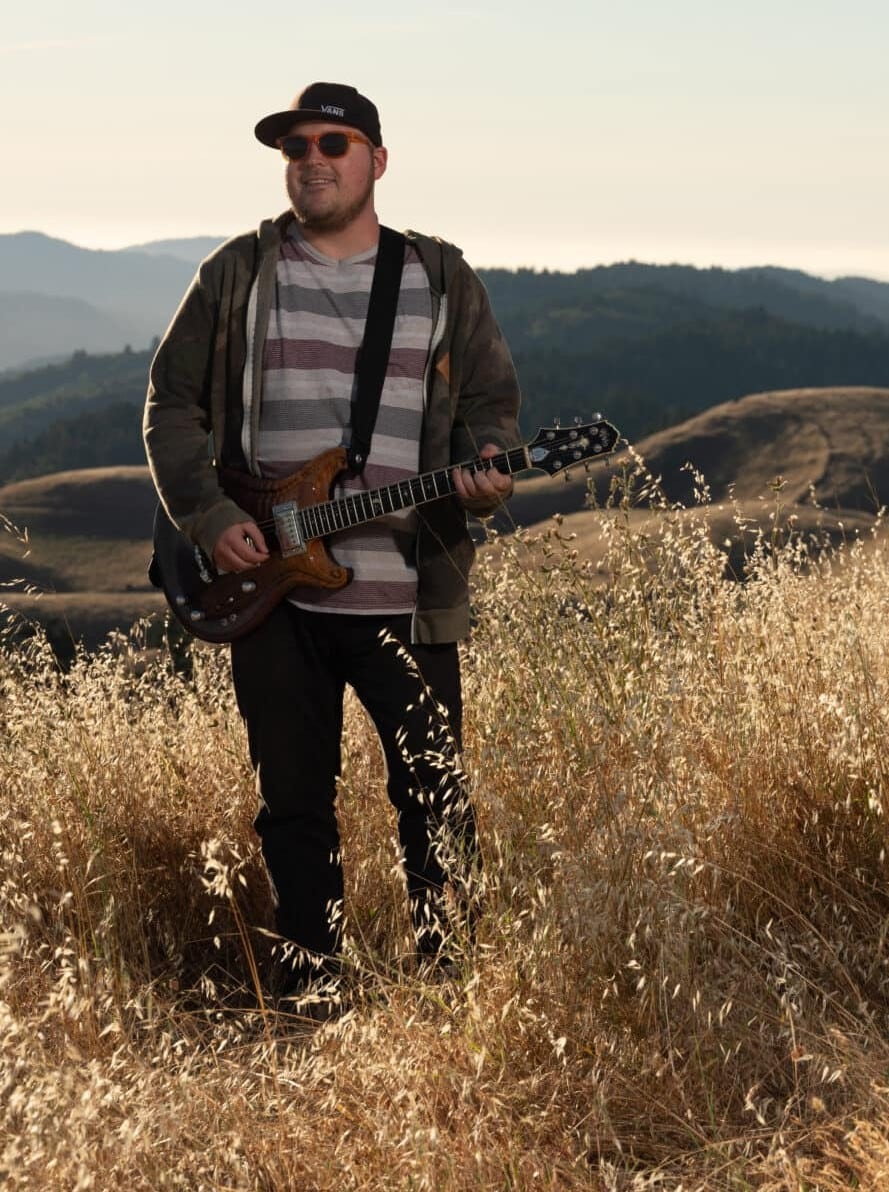
Johnny Cosmic (Photo cred: Spencer Stanley)
Ocman Dread: -Everybody makes his own choices. Personally, I don’t want to use AI, so no threshold for me. I already heard some great tracks made by AI, so if people want to make tracks with full AI, why not…
Johnny Cosmic: I think if it’s labeled as AI, that might help. One of my worries, beyond just a song in bad taste, is that people will begin to think of themselves as participating in the act of creation by pressing a button or writing a prompt. The thought of a next generation losing contact with building a skill and pouring themselves into a project. The creative cultural spirit may atrophy to where there will never be another Bach, Lennon/McCartney, Kurt Cobain, Bob Marley. There will just be copies of copies of copies of copies of some algorithm.
Ruggiero: I liked the Beatles remix thing they did… kinda…I mean, it’s fun and cute, whatever…remixing songs or saving things that would otherwise be lost or ruined? YES. Use technology to benefit us and not make crap we don’t want and try to replace and starve us…please.
Spotify was bad enough not wanting to pay…now they just make a fake me and don’t pay him? A message to the I.T. bros: “I don’t need that kinda help.”
Dubmatix: With regard to AI-assisted tracks, what is the threshold of AI usage that would be considered acceptable versus in bad taste? AI might be helpful for generating song arrangement ideas or perhaps suggesting harmonies for three-part horns if you don’t have experience charting your own. So, there is a place for AI as a tool to help you realize your own ideas.
Fowler: Creative process = 0%. Audio processing of a recorded performance = <50% and limited to tone, restoration and dynamics.
Rice: AI has so much potential for doing the mundane tasks of cleaning audio tracks, repairing clipped recordings in order to save the best performance, automatically synchronizing audio with video to the frame… things that do not require imagination or play an aesthetic role.
Foster: Basically any AI use in creating the music itself — no bueno.
Bobby Hustle: To me any AI is in bad taste. That being said, I don’t have a problem with autotune so I’m not sure if there’s some hypocrisy in my opinion. But you still have to be able to sing somewhat in key for autotune to do its job. AI is not the same case.
Agent Jay: As I said before, “smart” technology to perform tedious non-creative labor is fine. That’s what AI should be for in all aspects of society. AI should not be used for any creative function.
Liengme: I may sound radical, but we shouldn’t use any AI at all for artistic purposes. I understand how it makes life much simpler for a lot of people, but this is actually bad for the whole business and for the art. If you want to produce a reggae song and you don’t have the skills to do it all by yourself, call musicians, book a studio, give work to people actually qualified for the job. The only good use I see is to “recreate” multi-tracks from 70-80 songs so people can actually learn in detail how the musicians were playing. And absolutely do not use this to produce new dubs or remixes from these “fake-original-multi-tracks.”
Gastl: New advancements in technology have always disrupted the way art is made and received. Les Paul creating single tracking, Bob Moog debuting the first commercially available modular synth, Antares creating the first ever Auto-Tune rackmount hardware… All of these innovations were at one point criticized but then eventually accepted as legitimate tools for artists, with the potential of being misused or having the potential to hurt the art. I feel the same way about AI in music production.
To me, the threshold comes down to whether AI is assisting the creative process or replacing it. Using AI to isolate stems from a song, clean up audio, generate placeholders, or speed up technical workflows feels acceptable to me. For example, a producer using AI to isolate vocals from a demo so they can begin building an arrangement while the artist continues refining the performance seems like a practical use of the technology, (but even in this scenario I believe those vocals should be re-recorded before the final mix). Where it starts to feel in bad taste is when AI moves beyond assistance and begins doing the actual creative labor, writing, performing, or making artistic decisions in place of the artist. At that point, the role of the musician shifts from creator to prompt writer, and some of the human element that gives music meaning starts to disappear.
There’s a quote from Mark Cuban that resonates with my feelings completely: “AI is never the answer. AI is the tool. Whatever skills you have, you can use AI to amplify them.” If AI is being used to amplify an artist’s existing abilities, I think that’s fair game. If AI is being prompted to do the job itself, that’s where I think the artistry begins to get lost.
Oppenheimer: Personally, I would not want to be involved with releasing anything that used it to create melodies, lyrics, or replace playing instruments or programming beats/music.
Smith: It is too early for me to weigh in on what an acceptable threshold is. For now, I think the most important thing is to listen to the artists themselves and note what they are seeing and feeling as we go forward.
MacFarlane: If you are musician or call yourself one, I don’t think you should use it at all. If someone who is not a musician uses AI to create music, there are ethics and limits to address, but I understand there are some reasons why. The point of music, as a musician, is that it is a creative and subjective experience. The process of doing it is the point. Using AI while doing your craft is like getting someone else to kiss your girlfriend. That defeats the purpose and joy entirely and is weird. It’s a…but dare I say it…cucky.
Yaadcore: The only thing I see acceptable is using it for creative inspiration but then you would lose credit for being fully creative of the track.
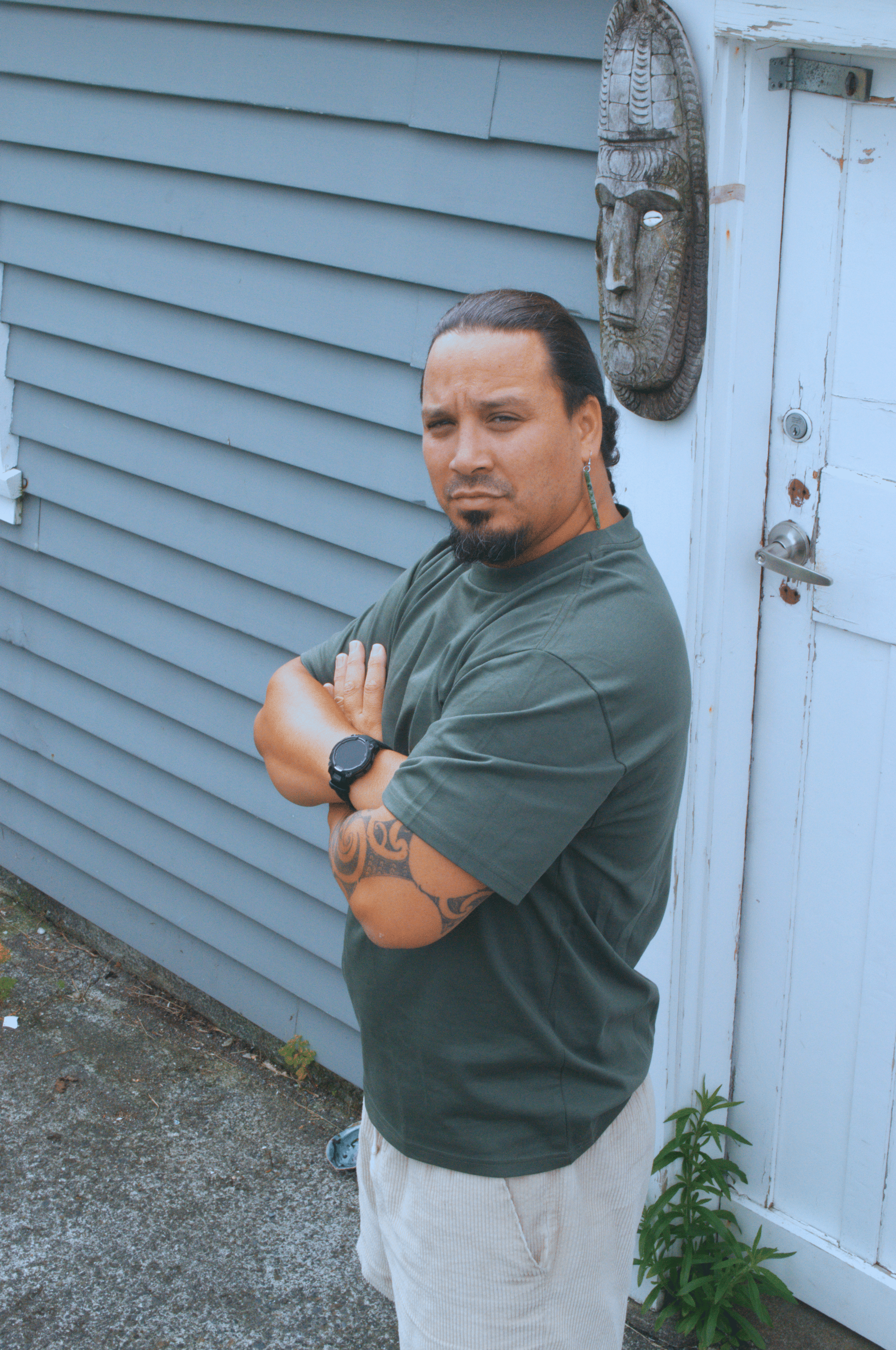
Iharaira Starr
Harford: As in all creative endeavors, we use tools to create. AI is yet another tool, but it’s in bad taste when the creator is attempting to play it off legit as if they didn’t use it.
Starr: Each to their own. In the end, the consumer doesn’t really care unless it sounds good. But for me, as a reggae purest, I think using it with integrity and as a tool to enhance rather than replace creativity is key. It’s really about drawing the line between people who use it purely to make music to then upload and make money, than people whose favorite part of music is actually creating the music. So, for me, it’s like, why would I remove the most fun part of music, which is creating it? I think using it as a tool at the end of your tracks to maybe tidy something up or even add onto to what you’ve already played maintains the mana or integrity of the music, musician and the industry, as opposed to someone just typing in a prompt ‘Make me a reggae song’ then uploading that.
Do you know people who are regularly releasing AI generated reggae, or do these producers try to work on the down low so to speak?
Goldwasser: I don’t know of any personally, but they must be out there since one of your later questions addresses AI reggae artists!
Martinez/Mellodose: I don’t know of anyone doing it, no. It has to be happening though, but generally, I don’t seek it out.
SatsangNo.
Teters: No, I do not.
Ruggiero: I don’t know anyone except a kooky sci-fi dude who makes kinda cheesy pop who likes to use AI, and still he changes it and plays most of it himself. An amazing surrealist painter I met in Vienna showed me an AI songwriting program that was wild. He said it was the future, and then he told me he loved Trump.
Dubmatix: At this time, I am not aware of anyone within the dub/reggae community using AI. I feel that most would lean towards my line of thinking as stated above.
Fowler: I do not, and would be concerned for someone with that level of misunderstanding.
Rice: I don’t know of anyone in my world using AI. In Brazil, reggae is associated with a healthy lifestyle in general – as much as anywhere else, if not more. If someone’s using it, they might not brag about it.
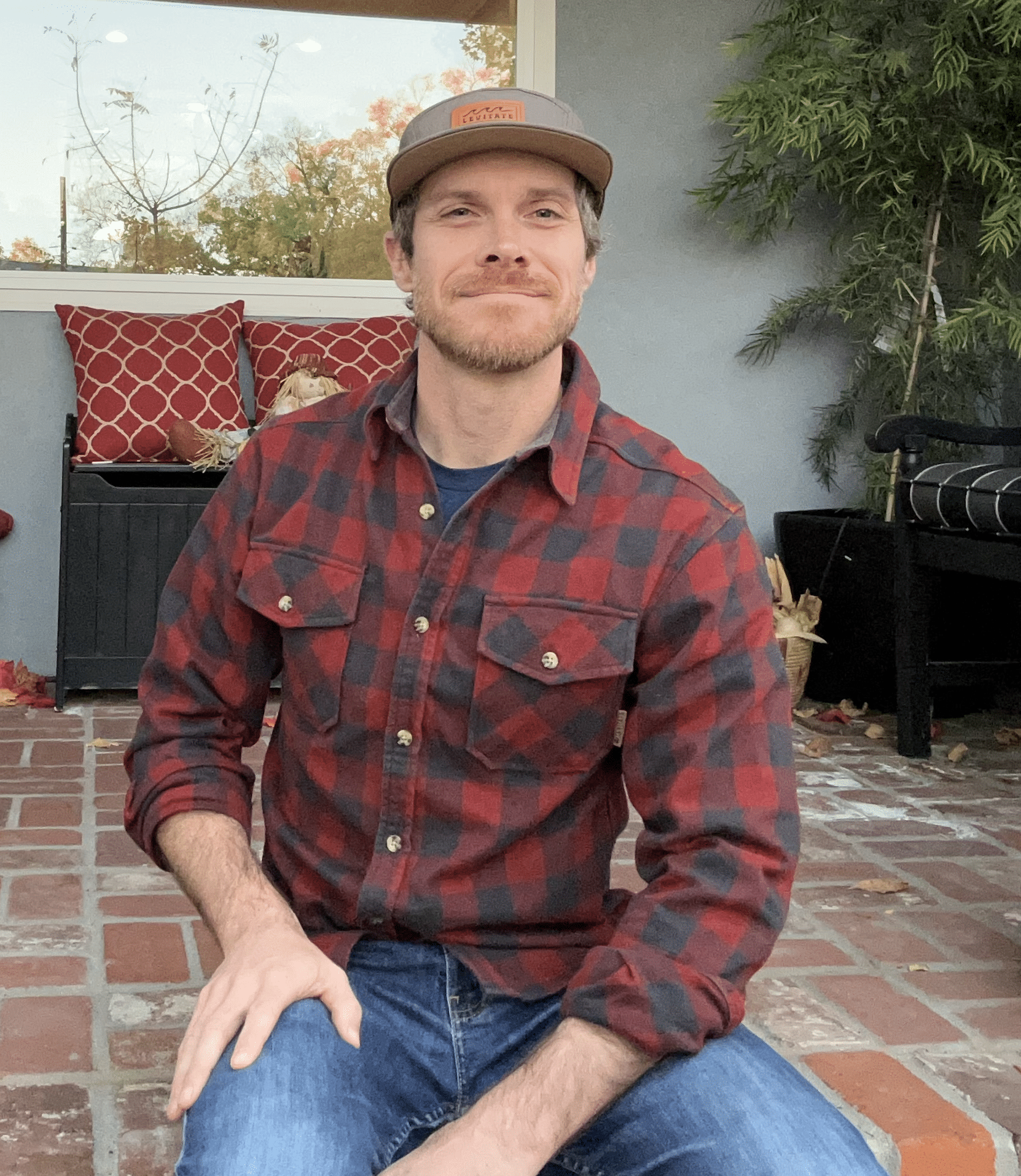
Reid Foster
Foster: Great question and we’ll probably never know for sure. I can’t think of any reggae artists I’ve seen/hear championing the use of Suno (or whatever AI tool) in the creation process. Visual art is a different story though…album & single artwork. The truth is it’s REALLY tough to know whether any AI was used in the making of an image, and truthfully it doesn’t bother me so much when it comes to visuals. But with Photoshop/etc. having built-in generative AI tools nowadays, it’s just baked into the creative/ideation process. I recently saw a video from a relatively well known reggae artist that was cheap-looking AI, and fans eviscerated them on socials. Then I saw a different video that I knew was AI-generated, but only as one of 7+ different software tools that were used to create the final product, and the final product was markedly better than the other cheap-looking one. It goes to show that AI is only as good as the ideas & prompts being fed into it, and THAT’s where creativity still exists. So, it’s important to understand that “AI” is a spectrum. Some people use it more flagrantly than others.
When it comes to the music itself though — Suno and other AI companies can be embraced, but only if they properly credit the artists that the sounds originally come from, and ensure they are compensated fairly for their contributions to whatever new music is being created. Until they make meaningful efforts in that direction, they are the enemy.
Bobby Hustle: if I know anybody, that’s using AI right now, they are not upfront about it.
Agent Jay: None that I know of. I would lose respect for anyone sneaking it into their work.
Liengme: No I don’t know anyone.
Gastl: I know producers that are regularly using AI in their tracks. This is kept on the DL as AI music and use of AI in music is not the most accepted practice at this time. Diplo said in an interview that he is a big supporter of the use of AI. He believes that consumerism is the winner in the end and because of that, musicians and producers need to “adapt or just give up.”
Oppenheimer: No, not currently or that I know of.
Smith: No, we have not been approached by any producers or artists making AI generated reggae. I don’t see them coming to a label like ours.
MacFarlane: Because I like reggae, the algorithm shows me reggae that is clearly AI. The profiles are so obvious they’re not musicians, but they don’t mention it. If someone wrote, “I just want to make reggae music but I am not a musician – this is just me having fun,” I don’t really care…but if you’re saying you did it, please just go back to the hole you crawled out from.
Yaadcore: I guess some people are in the trying stages to see how AI can benefit them, but they still maintain some form of contribution to the creation.
Harford: Across my feed, I’ve certainly come across some that attempt it on the down low.
Starr: I can’t say that I do know anyone personally or even online. I’ve seen it on my fee, but I don’t know who these people are. What gets me is when they try to play it off as their creative work. Like bro, just say you made this fully with AI. We can tell by the voice, haha!
According to The Guardian, AI-generated music accounts for roughly 34% of all new daily music uploads on some streaming platforms—totaling over 50,000 tracks daily as of late 2025. How do human artists fight through the muck to get the algos to play their music? I assume artists with more followers/streams to date will have an easier time, making this more of a challenge for the lesser known/up-and-coming artists?

Marco Martinez aka Mellodose
Goldwasser: The key to fighting against the rising tide of AI-generated music is to double down on human emotion and human playing in your music. At least for now, AI can’t really imbue a song with human feeling or human musicality, so go the extra mile to do that in your music. I still think that the cream will rise to the top. And how’s that for cramming a bunch of mixed metaphors into a short paragraph – proves that I’m human! Or does it?
Martinez/Mellodose: I think the question is a hard one to answer whether we position it against AI music or the sheer volume of new music from human beings. Finding your people and community of listeners is hard to do. It takes a lot of luck, a lot of hard work, a lot of love, and a focus on the long-term vision of a life driven by creativity. It’s always been a challenge, and I think the most important thing is to super serve your current fans/listeners. Those people are your tribe. They are the people going out and sharing your music with other like-minded people. They are the ones DMing your songs to friends and saying, “Have you heard this? You have to.”
SatsangThis is up to the fans. They need to put all their love and support into real artists and boycott this AI nonsense.
Jim the Boss: An artist still has to work the proper ways to be heard. Blaming AI is a cop out in my opinion. It’s the same with the last 20 years of homogenized music in general. The muck was already there.
Teters: I would say that the majority of music uploaded to streaming platforms is garbage, and I say this respectfully. As artists we continue to fight the same battle of engaging with a real human fans of our music and attempting to bring them into our band/business ecosystem and convert them into long time consumers of our music/product.
Ocman Dread: Yes, of course. It’s becoming increasingly difficult to remain visible. This was already the case with streaming platforms. It’s easy to make music with a computer (no AI) and load it on the internet. Now we’re going a little further with AI.
Johnny Cosmic: I don’t have an answer for what an average human artist can do against the onslaught of slop. You would hope being genuine would be enough to create a meaningful connection from human to human, but it’s hard to fight against an avalanche. I think if society as a whole just becomes repulsed with the notion, then maybe the human spirit will stand a chance.
Ruggiero: AHA! There’s the statistic again! I think because I play live music mostly, I need to do what a human does and connect with other humans…be unpredictable, and come up with ways to be “more human,” which is the intention of music anyway…from ska to reggae, the styles always embraced the humanity of music, the natural perfect imperfections that are truly beautiful.
Same for jazz, rock n’ roll, blues, country… when it gets too perfect, it loses its humanity. So, we try to keep it real and make lots of mistakes, haha. But really! Keep it ACTUALLY REAL! Don’t quantize beats, or auto tune or correct – do it live and record live. And don’t share with AI. Search with “-AI” at the end of your google search always!
Fowler: We currently have zero defense here, except to excel in our craft. What can I say, except shame on us. As a culture, as a species, we should be comfortable enough to know that not everyone is meant to do everything. I’m not going to be a pole vaulter. If a technology suddenly enabled me to mimic a pole vaulter with the ability to take the pole vaulting audience, I would not do it. We should yield to those who earned their place and mastered their skill. My dad use to say, “When every person is a doctor, the last garbageman will be a millionaire.” AI enabling every person to mimic music will devalue talent and fragment our common joys.
Rice: I think the solution is simple, not easy: Live performance and physical media. It’s much more difficult for an up-and-coming artist to find a place to perform in 2026. The pandemic only exasperated a global trend – much like the anti-smoking laws that, intentionally or not, eroded the social experience. Physical media, though… doesn’t seem to be losing THAT much ground.
Foster: This is a real threat to humans being compensated for their art, and a key reason we need to be fighting for user-centric payment systems from DSPs. We need to be pressing DSPs to pay artists based on the individual user listening habits, rather than the current fully-pro-rata system. This will support independent artists who have super fans and help nurture a vibrant ecosystem for all without harming anyone.
Bobby Hustle: Yes, it’s very discouraging to hear these statistics. It’s already a difficult battle, being an independent reggae artist. Even in this scene, it is very cliquish. It is not a merit-based system. It is more often about who you know than how good the quality of your music is. I imagine, in some cases, AI might level the playing field in terms of sound, and soundscapes…But to me. if you’re going to muddy the waters between what is human-created and what is artificial, that will only make it more difficult for real artists to have an impact in the scene.
Agent Jay: I don’t know. We, as artists, were already fighting a losing battle against virtually non-paying streaming services. Regardless, in whatever capacity, to whatever audience, artists and musicians will keep creating. It is a natural human behavior.
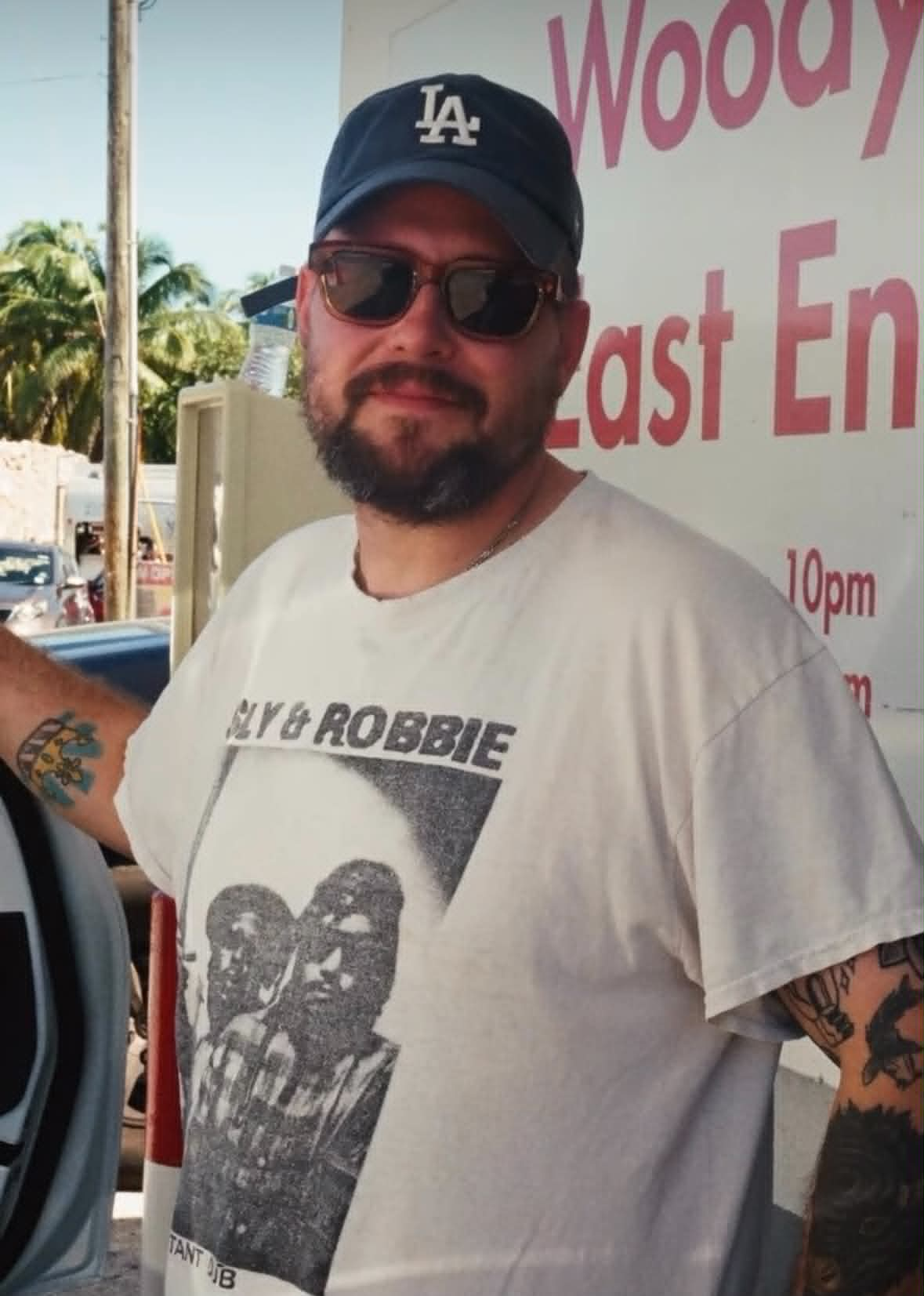
Ian Gastl
Liengme: It’s a nightmare. We don’t have any tool to fight this. Today, a huge part of the money generated on streaming platforms for reggae streams don’t go to real artists. If these AI songs were not here, there would be the same amount of streams, but each stream would pay artists and labels. The only way I see now would be to quit all streaming platforms. But that’s hard to do, because even if it doesn’t bring much money, it still brings a little that helps the whole project.
Gastl: When the supply of content becomes limitless, consumers will reward authenticity and consistency. There’s no way humans can or should attempt to outproduce the volume of AI uploads. That’s more muck. Instead, artists get the advantage when they can honestly communicate their lived experience and cultivate connection and new experiences for their community outside of streams. Fans aren’t going to pay for VIP meet & greet tickets for an AI artist like they would for the band who hosted a secret listening session in their hometown last month. Building direct relationships is the greatest way to break through the gaming algorithm without having to become an influencer or song machine. (However, this is not to discredit these approaches as being valid vehicles to gaining traction). Hopefully, the algorithm will start to reward signals that AI content struggles to generate like completion rates, repeat listening, and long-term retention rather than just raw upload volume, but until then, stay real and stay consistent.
Oppenheimer: It’s a good question. The deck is already stacked in many ways against independent artists – so I don’t see this as the only threat or headwind, but just one of many.
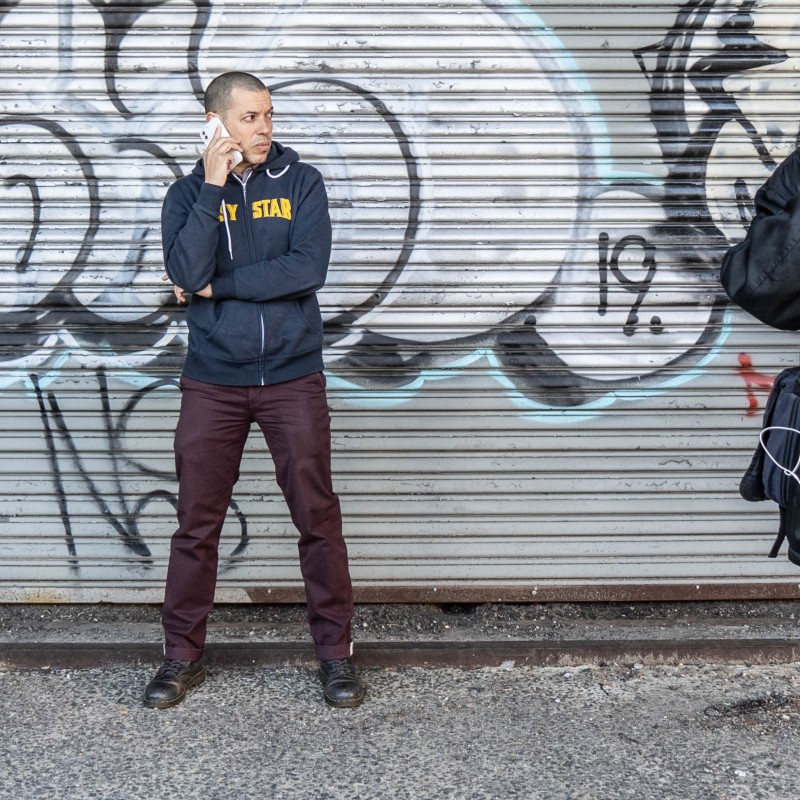
Eric Smith
Smith: The current music business is very challenging for sure. I don’t see the current system being sustainable much longer with the amount of music and content in general being released week after week. Adding so much AI music into the already saturated market may ultimately speed up a breaking point, leading us to move on to a different and hopefully better model.
We are obviously already seeing signs of this, with physical products and non-digital experiences continuing to be more valued. Easy Star is currently in the middle of a strong and honestly reaffirming campaign for Runkus’ album, Supernova. The campaign has focused on the physical release as well as many real-life events around the stories the album tells; it feels very organic and far from the AI world in the best way. The results have been a campaign that is actually building significant steam after the release date, something that is rare these days.
MacFarlane: I think there should be a question to listeners saying, “Would you like to not be shown AI music on this platform?” And if people opt out, they don’t get shown it. Then we can see where the world and the market sits on it. It might just be that people who care about not listening to AI music get shown non AI and they get further funneled to support artists. Maybe, as a consolation for allowing AI, platforms could then develop more easier ways for these true music supporters to support artists. e.g. offer an option to pay an extra 2 pound a month on Spotify- and have an option to tip a specific artist that extra 2 that month and it never goes to Spotify. Or, just have a tip this artist button – again money that doesn’t or mainly doesn’t go to Spotify. There will always be people who love trash, so let’s just let them get together in their trash soup and identify the real people who really want to do good things for music and the artists they love. We just need to make it easier for direct support for artists – especially smaller artists. Technology can do this.
Yaadcore: True artists can’t depend on an algorithm to determine their growth in fan base. That is like the Lotto to depend on algorithm. Once groundwork is being done to grow your fanbase, your music will find a way into the algorithm.
Starr: Yeah, this is a hard one. I’m not fully in the know about how things work in the back end. But I do know that Spotify has just announced that it will not be recommending AI songs anymore, which is great. I guess we have to just keep the course and hope that real humans still want real human music and they will gravitate back to it eventually.
Besides following on social media, going to shows and buying merch, it seems that fans can help the industry by directly listening to the artists they like and following/streaming playlists curated by actual people rather than algo-generated playlists. Are there other ways that fans can further support artists? To that end, are there popular reggae playlists you would recommend fans avoiding?
Goldwasser: Word of mouth. If you, as a fan, are passionate about an artist, share that passion with the people that you know in real life, not just on socials. Get your friends to go to shows with you, encourage them to stream, or better yet, to buy the music that you love.
Martinez/Mellodose: I’m not familiar with any reggae playlists that have mal-intent. You hit the nail on the head with how fans can support. I think showing love on socials, sharing the music with friends, going to shows, buying merch…that’s the way for sure. Thank you to every single listener who takes the time to support in any of these ways. Independent artists only have a place in the world because of the love & kindness you all show us.
Teters: Purchasing music, tickets shows, and merchandise are still the best ways to support living artists.
Ocman Dread: It’s a difficult time for little artists like us. I don’t know how people can help us… I am pessimistic about the ability to produce music and release it in formats other than digital, so we can’t own money, so it’s difficult to produce new songs.
Johnny Cosmic: Luckily for me, most times when I am listening to music, I’m choosing what I want to hear. so I don’t really know of which playlists are good and which to avoid. I think if fans want to help, they can just be diligent about knowing what they’re listening to. I’ve gotten well meaning people sending me links like, “Hey check this cool song out,” and I look and it’s an AI artist.
If every album cover is some cheesy AI art, they’ve released 17 albums in 2025 and you’ve never heard of them before, then they’re probably not real.
Ruggiero: Yes. Avoid feeding the machine. Get off those streaming subscriptions. They don’t pay artists. Be subversive and listen to CDs again. Vinyl, Cassettes, DVDs… own your music and they can’t take it away from you.
Dubmatix: Great question — my favourite is Bandcamp. It’s been one of the best platforms for musicians to not only sell music and merchandise, but also build a fanbase you can connect with. I offer free tracks and remix stems regularly, and have a dedicated group of people who will still provide a thank you payment — whether that’s $1, $20, or more. I’ve realized that selling digital music is, to a degree, a thing of the past when everything can be streamed at any time. But when you can connect with your fans in a meaningful way and offer vinyl, cassettes, t-shirts, access to concerts, and other incentives, you can really build your own ecosystem outside of the mainstream music business.
Fowler: Streaming, especially Spotify, is only good for discovery. Once you find an artist you like, go to their website or social to discover what they need back. Talk with your artists on social, even if it’s just leaving a comment. Feedback completes the communication circuit.
Rice: As far as I know, only Bandcamp has shunned AI content – I kind of expect the company to eventually be bought with intent-to-break, a là Blackberry/Skype/Myspace. Only a matter of time if we continue in this direction.
Foster: I can’t speak to any specific playlists to avoid, although I’m sure there are thousands out there. Other ways to support humans though — going to shows and buying merch is the best thing you can do, but it also requires the heaviest lift. A lighter (but still valuable) lift is ACTIVELY choosing to listen to an artist on any platform of your choice, rather than passively letting the algorithm play DJ for you.
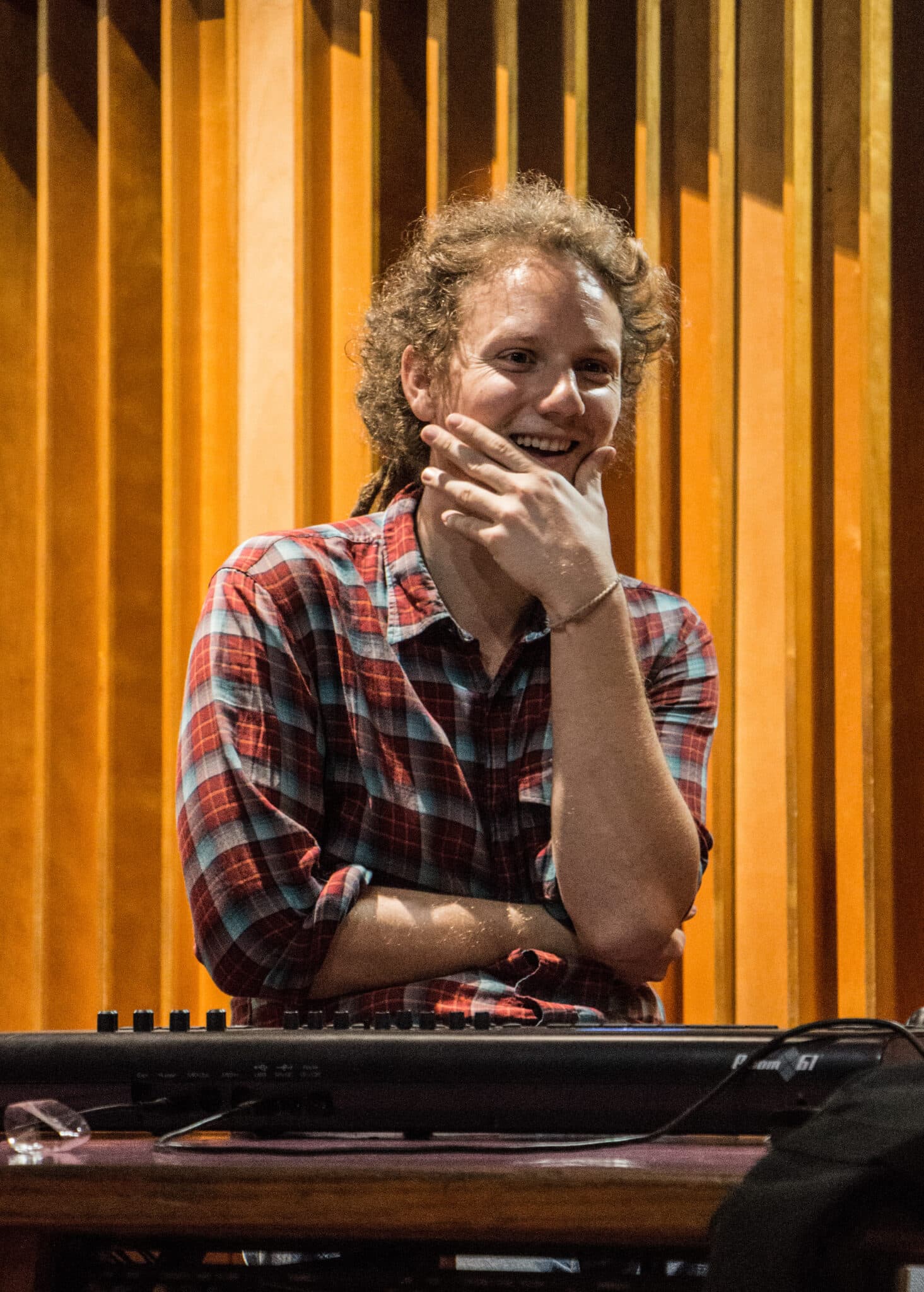
Matthias Liengme of Fruits Records
Agent Jay: I don’t use Spotify or other streaming services so I don’t know any playlists to recommend. As you mentioned, the best ways to support artists is to pay to see them live and buy merch directly from them.
Liengme: If fans want to help artists, stop using Spotify and Youtube, go to Qobuz or a more ethical streaming platform that try to ban AI music and pay much much higher royalties to artists. Then, buy vinyls on Bandcamp; you will get digital–HD or streaming–and a real physical music that your grandchildren will be able to listen to as well.
Gastl: There have been several instances where the fans were the reason a song goes viral. Reposting the music and using the music in a creative way could change an artist’s life. Listening to popular labels’ playlist (Easy Star Records, Ineffable Records, VP records etc.) is a safe bet. Also DJ Boomdraw has an amazing playlist that he updates regularly. I don’t know of many to avoid but I do know you can trust these playlists.
Oppenheimer: Certainly, the more folks make themselves heard against AI or other practices of the industry, the better. Not engaging with the material is a start. Though obviously it’s harder and harder to tell where it finds its way into the art.
Smith: One of the best things fans can do is to get and stay engaged with music and artists in the ways we all used to before streaming pushed too many of us to become passive listeners, where music is something in the background, rather than a focus of our attention. Use streaming for discovery, but then stop and look at your phone to see what you are listening to and then get out of the app and begin learning more about the artist. Oh, and listen to their WHOLE album, several times, not just the one track you threw on a playlist because it ended up in your release radar.
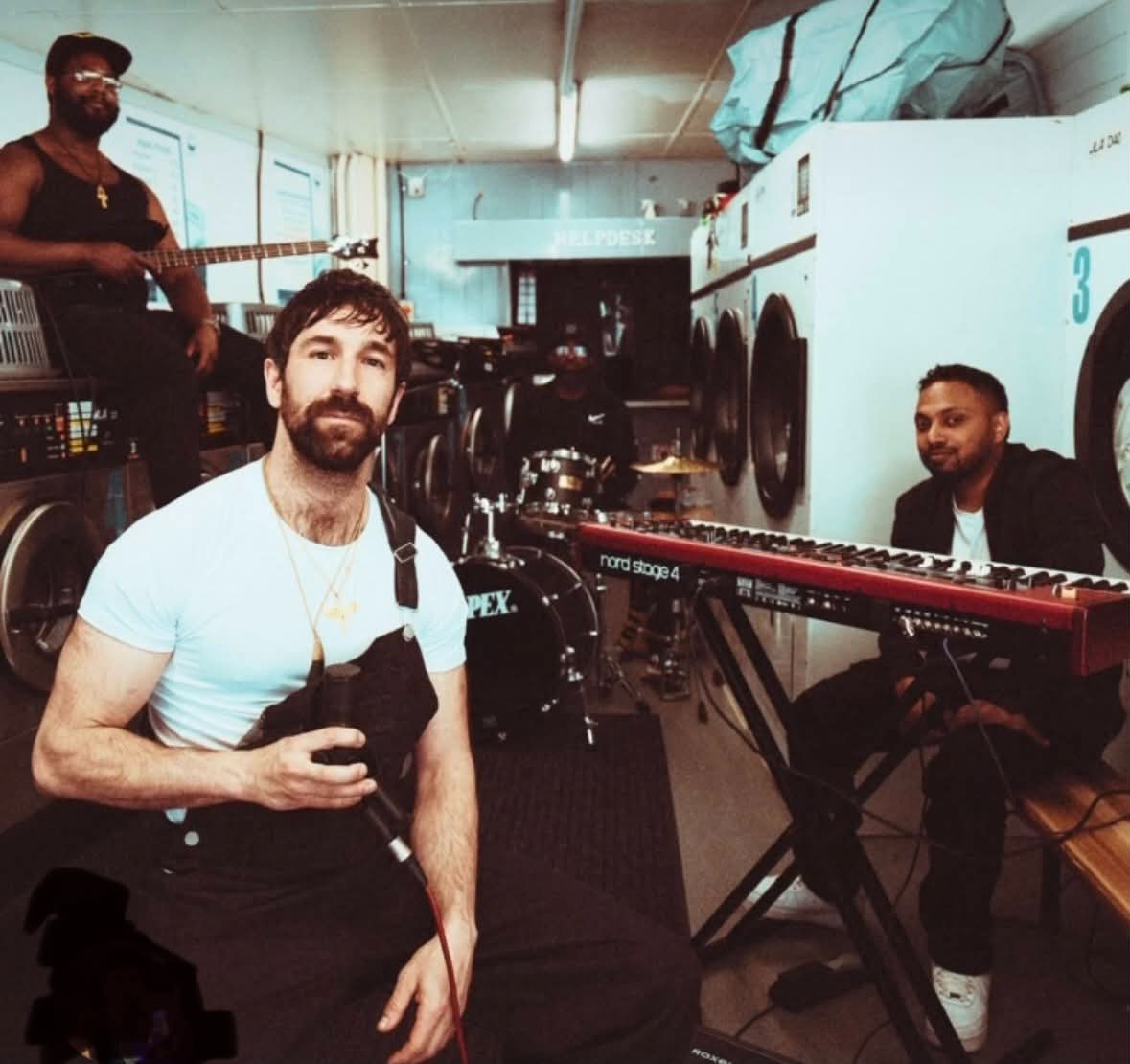
Jesse James MacFarlane of The Wise Bloods
MacFarlane: I think, generally, we need to create easier and more ways for people to support artists on the major platforms. I think with the big apps, gamify the support of artists and create really a friction-free reward system back to the listener as well, so there is a feedback loop. Then, also, small gestures could be recorded and artists could then seek to deepen the relationship with that artist…but that would give too much power away from the greed that large companies operate on. Perhaps a good use of AI would be a shared ownership of a copied version of these streaming apps that has the back door bust wide open so we can shape it better for independents and make it easier to create communities around the music. Especially now, we crave connection and real interaction, making it easier to get together and make music and show interest in it would really great.
But for now, I think if you come across a song you like in the algorithm, check the artist out more on their profile and then go to their socials and actually comment or message. Don’t be a silent listener. Actually, a guy dropped a comment on one of our YouTube videos saying pre-AI Wise Bloods was so much better. Apart from being pissed for out-of-the-blue being accused of using AI for our music, I was more pissed off that apparently this person had been enjoying our music for a long time and had done nothing, not bought music or even left a nice comment until it was to say something negative…bro, FUCK YOU! Freeloading joy out of my dedication to my process and then making an accusation about my process when you no longer like the output. Man, some people behind screens are total knobs…anyway, I’m sounding very grumpy now. The world is generally a bit chaotic. I don’t think it’s doom and gloom so much. I’m mostly scared about coral reefs to be honest.
Yaadcore: Every play counts and it doesn’t matter where or how an artist receives that play, whether it be algo-generated or human curation.
Starr: I don’t know of any playlists they should avoid as I just don’t really consume my music like that. But I would say to go and buy the vinyl, CDs and Bandcamp. Pays way more than DSPs.
How do you feel about AI usage in live performances, i.e. lighting, sound, stage effects?
Satsang: No! That would put a human out of work.
Teters: I’m sure it does already although I’m not aware of the specific uses.
Johnny Cosmic: I’ve never heard of AI used in live shows. The depths know no bounds lol. Honestly, it’s just stupid. Soon enough, it’ll just be computers making a show for an audience of bots. The CEOs will be congratulating themselves for being kings of the world and we’ll be in some pod in a storage farm in an underground warehouse with a Soma I.V.
Ruggiero: Putting my stage workers out of a job?? I can tell when there’s a human touch. I’m sorry. We are good at doing this stuff. Unionize if you haven’t yet. And don’t go see a show that has AI stage crew! How about that!?
Dubmatix: That’s a very interesting idea and a great area for young bands and artists to explore. As a musician, much like any artist, it’s extremely difficult to earn a living — so AI being able to help you as you start out with something like timed lighting to accompany your show is an excellent utilization of technology. And if you reach a level where you can afford to hire a proper lighting technician, which will elevate your overall stage performance, that option is always there.
David Fowler (Davis Mae/Father of the Vibe)
Fowler: This is the best question. Frank Zappa was great to remind us (in multiple ways) that musicians aren’t actors, we aren’t pretending. A live performance means the actions are performed by humans in real time, as a public demonstration of their musical acumen and ability to do what they sold us on. Yes, FOH main sound should be live – if the fathers of dub taught us anything, it’s that the soundboard is an instrument. Lighting should be live – it’s absolutely an art. The only place where I could see AI reasonably applied is for BOH sound (stage monitors, etc), where it improves the artist’s experience and enables them to perform better.
Rice: I think that’s an excellent use – but a professional may have something to say about that.
Foster: At this point AI tools are baked very deeply into the creation process — a lighting designer might use some AI-powered tool to save time creating a lighting schematic, or developing a proprietary way for lighting systems to communicate with audio system. A video creator might use AI-powered tools to create video content for a show. A special effects person might use AI to help figure out all sorts of details about managing electrical current, or atmospheric pressure as it relates to CO2 cannons or pyrotechnics. Again, AI tools and use fall on a spectrum. Most of the biggest artists in the world are using AI on some level, but that doesn’t mean their show was just generated by robots with a few clicks. There can still be thousands of hours of work that’s AI-assisted.
Agent Jay: I’m not familiar enough with stage show technology to know how far AI extends into the creativity of a live performance. I have no problem with automation or smart technology that can perform tasks quicker and more accurately than a human operator, as long as they are ultimately programmed and overseen by a human operator, and no one is put out of work by it.
Gastl: I haven’t heard much of this, but that doesn’t mean that it’s not happening. I am very against any act using AI generated visuals for a set. This is taking work away from graphic and motion artists. I do know that lighting, video and other stage effects can be programmed in Ableton. This is a very intensive and technical task that people make lifelong careers out of. The onstage effects would be automated, and I am okay with that.
Oppenheimer: Depending on the usage, I don’t have a major problem with it. My personal feeling is that I don’t want creative human beings to lose work from AI, but I also recognize that for a lot of smaller bands, if there’s a way to improve your stage show using AI, when you can’t even afford to bring a person along to run lights or sounds, then you need to do what you need to do.
Smith: I would defer to the people working directly in live music to weigh in and hear what they have to say first.
MacFarlane: Whatever craft you are involved in, there is a case for fair usage. Fair is definitely an important word here. It’s like cracked software. When you are starting out as a musician, it’s sort of ok to use cracked software to get started, but once you start making money, support whatever software that got you there. It’s the same as big players in the industry. Disney laying off animators is pretty shitty.
Also, we also need to consider the cumulative effect of using too much AI. Over time, it will start to feel gross – like films that have too much AI and special effects. That’s why Lord of the Rings is so much better than The Hobbit; they overdid FX in The Hobbit as a shortcut – that’s gross.
There are of course ethics about the water and environmental effects we need to consider, but I don’t know anything humans do a lot of that doesn’t have such concerns. Eating meat en masse is bad. Plastics are bad, driving is bad. So that argument alone isn’t confined to AI.
Yaadcore: For lighting, sound engineering and stage effects, I would not mind because that is not my field, but I am sure anyone attached to the artistic element of their craft would not want AI taking their job. Some people want an easier life and may go for AI until they are not needed at then there will be more complaints.
Starr: Yeah, I think that sounds cool. I’ve never come across that in my circles just yet. But again, I think it’s a thing of, why take the fun part out of the job, whether it’s a lighting guy or musicians who love to sing to people.
Do you think some sort of legislation is necessary to protect human artists and do you think that will happen? If so, what kind of legislation would you like to see?
Goldwasser: I’d like to see legislation that would force any AI-generated music to clearly state that it’s AI-generated wherever it’s available. For example, an AI song would have to say “created by AI” or something like that after the title of the song on Spotify, Apple Music, etc. And if an AI song is played on the radio, then there would have to be a disclaimer before and after the song. I know that this is probably unrealistic though.
Martinez/Mellodose: I think transparency is the primary thing I would like to see. Songs and artists should be clearly labeled as AI or human made. People shouldn’t feel tricked in any way when they consume something. If someone straight up loves AI music, awesome! If they have a moral issue with it and do not want to consume it, they should know. I think about it in the same way everyone who has their own preferred diet (which can be due to taste, health, or morals), they must know if their food has something they are allergic to, morally opposed against, or simply don’t like the taste of as an ingredient.
Jim the Boss: Of course, and luckily some things are already in play, like removing your tracks from AI algorithms and placing identifiers on them so they can’t be uploaded into things like Suno and messed with…but the cat is out of the bag…where there is a will, there is a way.
Teters: I think protecting the likeness, both physical and through audio likeness, is something that we will see cause problems with the AI battle. Just as we have seen AI versions of actors and video, it won’t be long before we hear an AI replication of Bob Marley. That’s going to cause a problem.
Ocman Dread: I think we have too much legislation in our all life so I don’t want more. Too many things go bad in the world. AI is maybe just one more…

Vic Ruggiero of The Slackers
Johhny Cosmic: It’s like the opposite of the Field of Dreams. If you stop coming, they won’t continue to build it. Similar to NFTs – does anybody still think they’re going to cash in and retire from a jpeg of a fucking monkey? We were able to collectively pull our heads out of our asses on that one. Maybe we can do it again.
Ruggiero: Back in the 40s, there was a huge musician strike, which is the only reason I’ve ever gotten paid for making a record or being played on the radio or in a jukebox. And still, it’s a penny if I am lucky. We get a thousandth of a penny now for a stream. If you get played millions of times you get $100. And Spotify and all those guys are still complaining it’s too much. Striking is the only way progress gets made. Time is running out before the robots actually take over and we’re all outta jobs everywhere. It’s happening.
Dubmatix: This will be an interesting challenge as we progress. If you look back to the late 90s and early 2000s, when MP3s became the dominant form of audio distribution, the record labels tried to create Digital Rights Management (DRM) protection algorithms that would stop you from sharing a song or transferring it to another device — most notably with AAC on iTunes — but they lost in the end, with Apple dropping DRM from iTunes entirely by 2009. It’s still early, but similar means of identifying AI-generated content are being developed. In some instances, you must disclose if content has been made with AI, such as on YouTube, where creators are now required to flag realistic AI-generated material. Bandcamp has also taken steps to address AI-generated content on its platform, and the music business — which includes everyone involved from top to bottom — will want some form of tracking.
Fowler: Yes, I don’t want to go all Tipper on this, but here is a case where I believe government intervention would be welcomed to protect consumers, creatives and businesses. I would like to see:
- Regulations on music aggregators / distributors requiring a self-reporting audit of existing accounts and to prequalify new accounts, with the specific goal of identifying AI.
- A uniform audible marker on all streaming platforms indicating AI generated sounds…perhaps an audio watermark at the top of the track.
- Requirements for all AI generators to embed a code or inaudible marker on all outputs that can be detected by distributors.
- A separate chart for AI sound, and separate categories on the streaming platforms.
- A prohibitor on copyrighting AI sound (although the sound recordingcould remain protected).
- A legal mechanism to quickly flag and cease theft, along with the immediate correction of offenses that have already occurred. I cite Murphy Campbell (@murphydoesnotmatter) and several others experiencing this horror.
Rice: I do think legislation is necessary, but I doubt it would come from the US; their copyright laws have always been a tad feudal. My money’s on France or Brazil. When it comes to musicians using AI, it’s going to be complicated. AI-generated music, however, should simply not be eligible for royalties. That, to me, is a no-brainer. No tax number, no royalties – done. But we’re dealing with an industry that began with radio: I call it Temporal Real Estate. Just as there’s only so much ground on the planet and it will only go up in value, there are only 24 hours in a day and each minute becomes more valuable as the population increases. No one is greedier than the landed gentry. It currently feels like the only way for an artist to become/remain relevant anymore is to produce physical media, preferably vinyl – there will always be people who care.
Foster: 100% yes. See above re: user-centric payments. Also, copyright action needs to be taken for AI companies to make sure artists are compensated for any derivative works created by AI models who trained on their original work.
Bobby Hustle: It would be nice if there had to be a disclaimer on the product, so people would know what they were consuming: AI or human generated.
Agent Jay: Certainly, legislation is needed to protect copyrights and intellectual property, which must include one’s likeness and artistic “style,” which can be emulated and effectively stolen by an AI algorithm. I doubt that will happen. The media companies make enough money to corrupt and compromise the legislative process to their benefit.
Liengme: It is absolutely necessary! Will it happen? Only if the majors start losing too much because of AI.
Gastl: I do think legislation needs to happen. The company SUNO just struck a settlement deal with Warner Music group after being accused of using copyrighted songs to train their AI. AI has stolen lyrics and melodies from several artists and used the melodies as a derivative opposed to a true cover song. I don’t think this should be any different than if a human steals melodies or songs. I’m not sure how this legislation would look but I do believe that it should be regulated. AI songs need to be identified by DSPs before a user decides to continue listening. AI should also not be allowed to train itself on songs that have been copyrighted.
Oppenheimer: I do think there likely needs to be something but it’s way above my pay grade to dictate how that could look or work.
Smith: Yes, there definitely needs to be far more consideration given to human artists across the board, which could in turn lead to some form of legislation. To start that process, artists, labels, and other stakeholders in music need to figure out a way to collectively apply the pressure that leads to legislation.
MacFarlane: Personally, my ethics are about honesty and giving people the option and accommodating those choices. I don’t know legislation like there is in the Olympics – you can’t use steroids in the Olympics, but there is now an Olympics for people who use steroids. I don’t know. It can’t be totally Wild West though.
Yaadcore: Yes, it is necessary, just as it is necessary without AI. But overall, I think it should not be used from music creatively because everyone’s work gets mixed up in a boiling pot by a computer to create new stuff by a computer from human inspiration.
Harford: If someone models their sound on an existing artist and uses the sound of their voice & likeness, this is utterly unacceptable.
Starr: I think regulatory branding is best, so that the consumer knows without a shadow of a doubt that this was made by AI and then they can make their mind up from there.
Most AI music I’ve come across has very little info about the artist (which is what makes it much easier to identify) but in some cases, entire fake biographies are created for an artist/person that never even existed. To me, putting out AI music is one thing, but going to these lengths is quite devious and insidious. Would you be in favor of AI music requiring identification as a starting point?
Martinez/Mellodose: Boom! Exactly my point, brother! Yes, people should know what they’re buying/supporting. The desire to trick listeners or hide information in any way just points to something being a scam/money grab in my opinion.
Teters: I think it’s very important for AI music to be identified as such. It seems like some platforms like Facebook are already starting to require this type of identification.
Ocman Dread: Yes, this is maybe a good solution. If AI music is identified, people can choose if they want to endorse this kind of music.
Johnny Cosmic: YES! We should know when we’re being served poison.
Ruggiero: PLEASE! Anything. Like I said, they already credited me with lyrics I don’t write. I heard that someone put AI on the job of writing every possible melody and copywriting them. That’s a dangerous idea! Luckily the guy says he made it public, meaning AI can’t copyright it first!? What insanity is this!? We are living in the post-fact era now. No one believes the news or scientists. Everything is up for debate. Perhaps we’ll see a new Dark Age descend and humanity will have to figure it out again.
Dubmatix: 100%. Transparency is important and this would be a major step forward.
Fowler: Yes. This may start with the music distributor.
Rice: I fully agree it’s devious and insidious. And again, if AI-generated music was not eligible for royalties, this wouldn’t even be a thing.
Foster: Absolutely. And that’s beginning to happen in various little corners of the music and IP industry — some distributors require you to check a box and disclose whether AI tools were used in the creation of anything you’re uploading. Joel Gouveia recently wrote a piece about meaningful changes in AI legislation that everyone should read. Real progress is happening in the right direction.
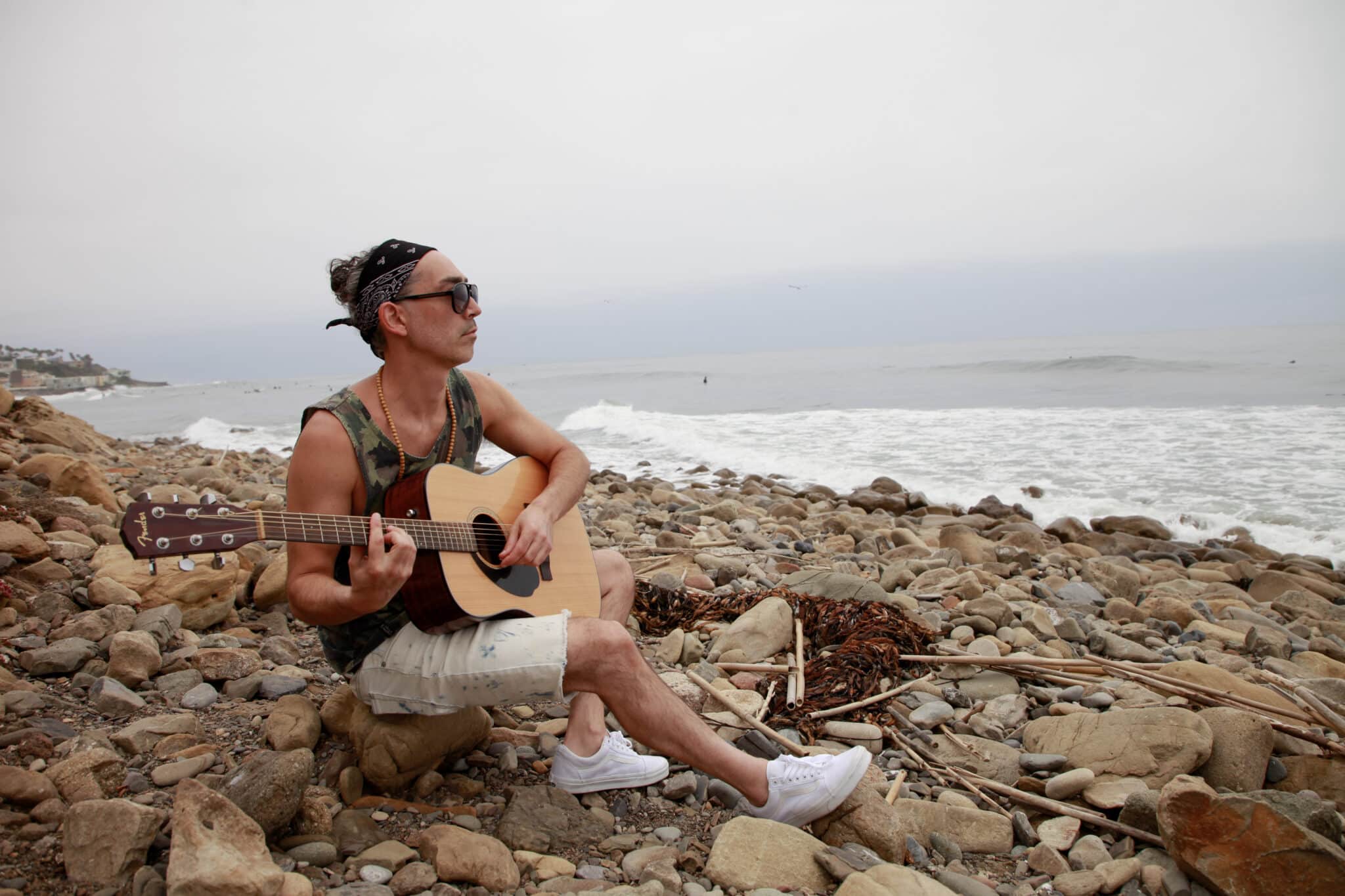
Bobby Hustle
Bobby Hustle: Absolutely agree.
Agent Jay: Yes, AI products should be well labeled as such. We are entering a dangerous new era where you can’t trust that what you see or hear is real anymore.
Liengme: This would be the minimum. There’s a logo for explicit music. Why not for AI?
Gastl: Yes, I think just like a verified artist, AI artists should also be verified as AI.
Oppenheimer: I am 100% agreed that for AI generated music or for AI generated artists, there needs to be labelling so it is clear.
Smith: Yes, I’m down for that.
MacFarlane: Exactly. Fake identities, lying and fabricating, etc. – it’s rank. Another issue for me related to reggae AI specifically. I already have an issue with how formulaic reggae has become. I always thought people would always lap up the same reggae formula with a few mentions of “bun the ganja” and do a sort of fake Rasta emulation without truly dealing with the depth of the true message and origins of roots reggae. People sort of meme it and I always found that a bit gross. Now AI is doing that formula to a T, so let’s hope it helps people realize we need to get away from that repetitive poser fake reggae crap.
Yaadcore: Well, everything seems to be on the search for identity or else there is no point in existing, even the AI.
Harford: Hells to the bells, yes!
Starr: Yes, there definitely needs to be identification. Humans are always going to want connection and something real, we are just hard wired that way. We just have to make sure the consumer has access to both.
How do you see AI in music evolving, or ending up?
Martinez/Mellodose: When I think about 3 generations from now, my kids’ kids’ kids…I think AI music will 1000% be completely normal and a part of everyday life in every way possible and it will feel just as real, emotionally viable and valuable as human made music from generations past. The world is going to change so drastically in the coming decades, and I truly believe life as we know it will be a relic. The new world is quite literally unimaginable today. I don’t think that’s a bad thing; it’s just completely unknown. I do believe beauty, connection, art, love, and community will still have a large standing in that mysterious future.

Jim the Boss
Jim the Boss: It will one day be indistinguishable from real instruments.
Teters: I think there will be more and more AI artists that are creating music that is actually enjoyable, but it will be harder and harder to differentiate from real human music versus AI.
Ocman Dread: AI will undoubtedly continue to develop, as in other fields.
Johnny Cosmic: I hope it influences people to pick up some guitars and jam with their buddies.
Ruggiero: I’m waiting for that sunspot event that wipes out technology. I can play on a guitar string nailed to a piece of wood. Good luck with the sunspots, robot.
Dubmatix: It’s hard today but the beast has been unleashed and now we’re at a crossroads of determining how we use and monitor it. One aspect that came up was using AI to create demos. You may have some lyrics, or basic song idea – this is where AI might be really helpful – allowing you an audibly translate what you have in your mind in order to share it with your band, song submission etc… like any technology, it’s a tool, and there will be positive ways in which to use it.
Fowler: I do not have a vision for a peaceful merge, though that may be the direction we’re headed. One thing I believe we’ll see is a wider distinguishment between sound recordings and live music. AI is likely to dominate the former, and the traditional studio experience will evaporate. Talent and musicianship will own the live front, and I suspect the term “live music” will take on new meaning. My friend and collaborator Colin Bell has placed emphasis on music returning to live performance. As AI is cementing its place in mimicking music, I tend to agree.
Rice: Hopefully we’re in the ugly stage, like the transition from analog to digital music production that took decades. If so, it won’t take that long. Hopefully human music will survive. The uncanny valley still exists for now. AI isn’t ever going away, because it’s primary application is surveillance – the objective being to create 8 billion isolated echo chambers. “AI creativity” is just a way to get normal people to pay the bill, with the added feature that it makes us complicit.
Foster: Very difficult to say. Let me know if you find out before me 🙂
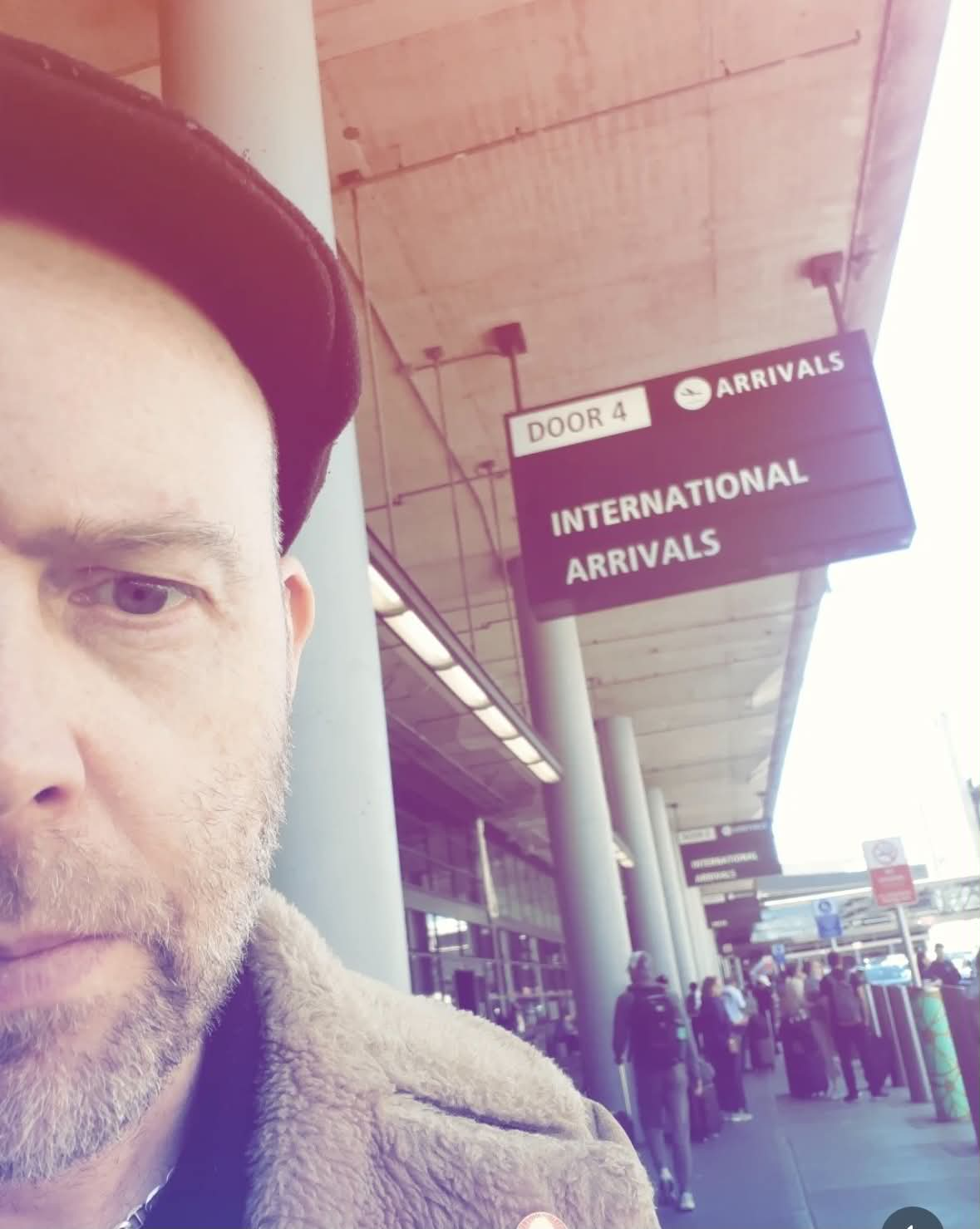
Agent Jay
Bobby Hustle: I think it’s inevitably gonna take over. Sad but true.
Agent Jay: It will swamp popular music outlets, but there will always be a large number of people who want to experience human emotion and imperfection and want to see art performed live, so I’m not too worried about the immediate future. However difficult it’s become to be a professional musician since recorded, then digital music and streaming exploitation, it will surely get much more difficult for the coming generations. Hopefully AI will so contaminate the music world, people will turn away from it and it will render itself obsolete.
Liengme: In one year, it went from “I can recognize AI reggae in 1 second” to after 30-60 seconds, “Wait, something sounded strange, would this be AI reggae?” It goes so fast, it’s not impossible that specialists like us can’t recognize them in 2-3 years. But hopefully, artists and labels will move to the opposite vibes and have much more organic sounds, “unperfect” mixes as it was back in the days.
Gastl: In the future I see AI being used in the majority of records that are uploaded to DSPs. I think human made music will be highly regarded because of this.
Oppenheimer: It’ll ultimately be another tool to use. AI cannot – so far – be creative on its own and is more going to mock and generate whatever the machine learning shapes it to do. That’s why, ultimately, I think human artists will win out overall, as there’s nothing that would push an envelope forward artistically that can currently come from it, so it’ll stay a fad item and probably fade in some significance as backlash builds. Too many of us are looking for creative transcendence in music, which AI cannot currently provide…
Smith: Wherever it goes, it will probably look a lot different than it does now.
MacFarlane: I don’t know. I see AI as an extension of capitalism. When capitalism was about people in factories, they developed machines and automation to replace the factory line. Now, other industries are doing that with what we used to view as “brain work.” I think we as people are going to get more and more sick and mentally unwell. These screens, to the extent we use them, are unhealthy. I slightly hope it all blows up and we all have to become fishermen and woodsmen. I’m actually a tree surgeon by trade – I’d be fine working in timber and singing songs by the fire at night. Yes please!
Yaadcore: Hopefully, people will realize the distastefulness of cheating to create something as soulful as music from something that has no soul.
Harford: As the technology progresses, I appreciate the tool for certain aspects of the creation process, whether it’s helping to eliminate unwanted sounds on ancient, existing tracks, or making things easier to do in the studio which might normally take loads of time.
Starr: Honestly, I hope there’s like a huge social and global backlash and all AI creation services die out and become obsolete and we all go back to playing live music, maybe something like the late 70s, where we had a little bit of tech coming through, but it was all humans. That’s the dream anyway…in reality, it’s probably going to take over every part of the music industry from movies, games, live and studio, and there’s little to nothing we can do about it.
Editor’s Note: The above responses were edited lightly for grammar and flow. Massive thanks to everyone who generously shared their opinions on this topic, and big love to music industry personnel worldwide who are creating and promoting authentic reggae and reggae-adjacent music.
Share this:


Over the years, he has interviewed many personalities throughout the reggae world including Ziggy Marley, Burning Spear, Lucky Dube, Bradley Nowell and many artists in the progressive roots scene.
Dave has also written and published a novel, “The Cosmic Burrito,” a tale of two friends who drive across the USA in search of the ultimate burrito. He plays ice hockey weekly for a recreational team he founded and manages, Team Rasta.
Reggae music has filled his life with a richness for which he will forever be grateful, and he gives thanks to musicians far and wide, past and present, whether they perform roots, dub, dancehall, skinhead, rocksteady or ska, whether their tools are analog or digital, as well as the producers, promoters, soundsystems, selectors and the reggae massive at large who comprise the international reggae community.
You can follow Dave on Instagram at @rootsdude and Twitter at @ElCosmicBurrito.